
5.0 ★★★★★ 220+ reviews on Google
Physiotherapy Care For Chronic Pelvic Pain Treatment
Harley Street, Central London
ALO Physiotherapy proudly provides expert chronic pelvic pain treatment and physiotherapy in Harley Street, London .
Expert Chronic Pelvic Pain Treatment for Men in Harley Street
Chronic pelvic pain in men is a complex and often misunderstood condition that can affect movement, exercise, intimacy, sleep, and everyday quality of life. At A.L.O Physiotherapy in Harley Street, Central London, we provide evidence-based pelvic health physiotherapy designed to reduce pain, improve function, and help you regain long-term confidence in your body.
Whether your symptoms are linked to pelvic floor tension, nerve irritation, bladder discomfort, gym training, stress, or persistent unexplained pain, our specialist team takes a personalised approach focused on lasting pelvic pain relief and recovery.
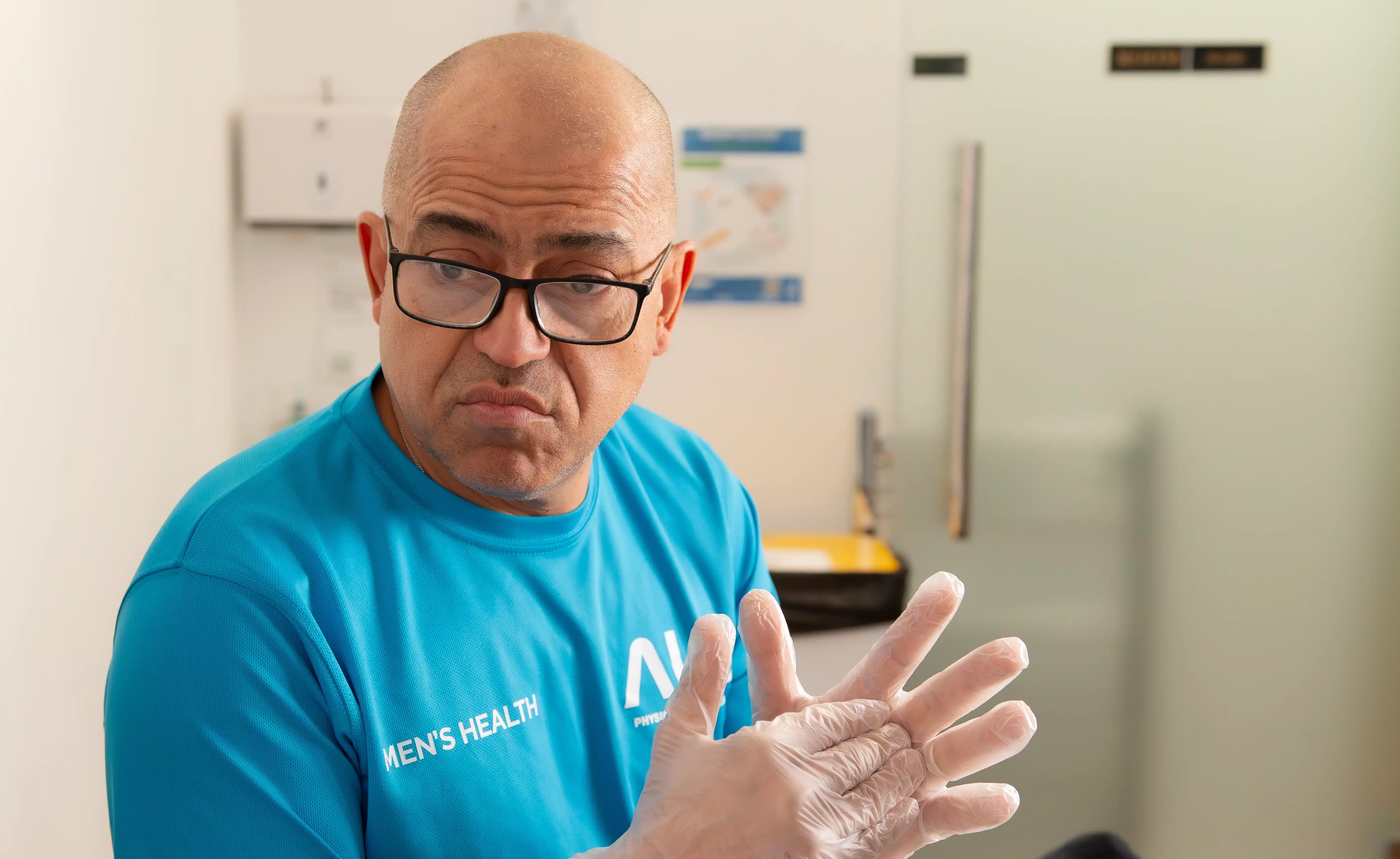
Causes of Chronic Pelvic Pain in Men
Chronic pelvic pain can develop from multiple contributing factors at once. In many cases, symptoms are linked to a combination of muscular tension, nerve irritation, inflammation, movement dysfunction, bladder symptoms, or previous injury.
Prostatitis
Inflammation or irritation of the prostate can contribute to pelvic discomfort, urinary symptoms, pressure, and ongoing pain.
Pelvic Floor Dysfunction
Tight, overactive, weak, or poorly coordinated pelvic floor muscles can create pain, tension, and movement-related symptoms.
Interstitial Cystitis
Chronic bladder irritation may lead to pelvic pressure, urinary urgency, discomfort, and persistent lower abdominal pain.
Nerve Irritation
Entrapment or irritation of pelvic nerves can contribute to burning, sharp pain, sensitivity, or unexplained pelvic symptoms.
Musculoskeletal Issues
Poor posture, gym training, previous injuries, hip dysfunction, or spinal mechanics may all contribute to pelvic pain patterns.
Post-Surgical Complications
Pelvic pain can sometimes develop after procedures such as prostate surgery due to scar tissue, tension, or nerve sensitivity.
The Importance of Seeking Treatment Early
Chronic pelvic pain can gradually begin affecting far more than just physical discomfort. Many men experience changes in confidence, sleep, gym performance, relationships, concentration, and emotional wellbeing as symptoms become more persistent over time.
Without proper treatment, ongoing tension, nerve sensitivity, movement dysfunction, and stress responses can continue reinforcing symptoms. Early intervention helps break this cycle, improve recovery outcomes, and reduce the risk of long-term complications.
At A.L.O Physiotherapy, we focus on identifying the underlying drivers behind your symptoms while creating a personalised rehabilitation plan designed around your goals, lifestyle, and long-term recovery.
Symptoms of Chronic Pelvic Pain
Symptoms can vary significantly between individuals and may fluctuate depending on stress, exercise, sitting, movement, bladder function, or daily activity levels.
Pelvic Ache or Pressure
Persistent discomfort, heaviness, tension, or pressure around the pelvis or lower abdomen.
Pain When Sitting
Symptoms may worsen during prolonged sitting, desk work, driving, or inactivity.
Urinary Symptoms
Urgency, frequency, discomfort during urination, or bladder irritation may be present.
Pain During Exercise
Gym training, running, lifting, or core exercises may trigger pelvic discomfort or tightness.
Sexual Dysfunction
Some men experience pain during intimacy, ejaculation discomfort, or tension-related symptoms.
Lower Back or Hip Pain
Pelvic pain may also be associated with surrounding muscular or postural dysfunction.
Start Your Recovery With Specialist Pelvic Health Physiotherapy
If you’ve been struggling with ongoing pelvic pain, bladder symptoms, tension, or unexplained discomfort, our Harley Street team is here to help you understand the cause and build a clear path toward recovery.
How Physiotherapy Can Help Chronic Pelvic Pain
At ALO, treatment focuses on reducing pelvic tension, improving movement, calming the nervous system, and helping you regain confidence in daily life. Every treatment plan is tailored to your symptoms, lifestyle, and goals.
Pelvic Floor Physiotherapy
Addressing tightness, overactivity, and dysfunction within the pelvic floor muscles that may contribute to pain, urinary symptoms, and tension.
Muscle Release Techniques
Hands-on therapy designed to reduce muscular guarding, trigger points, and persistent tightness around the pelvis, hips, abdomen, and lower back.
Breathing & Nervous System Retraining
Improving breathing mechanics and calming nervous system sensitivity that may be driving pelvic floor tension and flare-ups.
Movement Rehabilitation
Restoring confidence in movement through guided rehabilitation focused on mobility, posture, strength, and activity tolerance.
Exercise & Gym Modification
Adjusting exercise habits, lifting mechanics, and training loads to reduce symptom aggravation while staying active safely.
Education Around Symptoms
Helping you understand symptom triggers, flare patterns, stress responses, and the role of pelvic floor dysfunction in chronic pain.
Your Chronic Pelvic Pain Assessment
Your initial assessment is designed to fully understand your symptoms, lifestyle, movement patterns, and the factors contributing to ongoing pelvic pain.
A Calm & Supportive Environment
We understand that discussing pelvic symptoms can feel uncomfortable for many men. Our clinicians provide a private, professional, and judgement-free environment throughout the assessment process.
Specialist Chronic Pelvic Pain Treatment in Harley Street
Our Harley Street clinic provides specialist men’s health physiotherapy in a discreet and supportive setting for patients struggling with chronic pelvic pain, CPPS, pelvic floor dysfunction, and ongoing prostatitis symptoms.
Specialist Men’s Health Physiotherapy
Focused assessment and rehabilitation for complex pelvic pain and men’s health conditions.
Harley Street Clinic
Premium Central London location providing private and professional physiotherapy care.
Whole-Body Approach
We assess movement, breathing, posture, stress, and nervous system factors alongside pelvic symptoms.
Tailored Recovery Plans
Every rehabilitation programme is personalised around your symptoms, lifestyle, goals, and training habits.
Long-Term Recovery Focus
Our goal is to improve confidence, function, and quality of life rather than temporarily masking symptoms.
Trusted By Patients Across London
Many patients come to us after failed treatments, unresolved symptoms, or normal scans without answers.

Struggling With Chronic Pelvic Pain?
Whether you’ve been dealing with pelvic tension, urinary symptoms, pain after ejaculation, CPPS, or ongoing prostatitis symptoms, our specialist men’s health physiotherapy team is here to help.
At ALO Physiotherapy Harley Street, we focus on identifying the root drivers behind persistent pelvic pain and creating a tailored recovery plan designed around your body, lifestyle, and goals.
Questions About Chronic Pelvic Pain Treatment
Learn more about chronic pelvic pain, pelvic floor physiotherapy, CPPS treatment, and what to expect during your recovery journey at ALO Physiotherapy Harley Street.
Yes. Physiotherapy can help reduce pelvic floor tension, improve movement, calm nervous system sensitivity, and address muscular or lifestyle factors contributing to chronic pelvic pain symptoms.
CPPS is a condition involving persistent pelvic pain and urinary or sexual symptoms without an active infection. It is commonly linked to pelvic floor dysfunction, nervous system sensitivity, stress, and muscular tension.
Not always. Many men diagnosed with prostatitis may actually have chronic pelvic pain syndrome or pelvic floor dysfunction rather than a bacterial infection.
Yes. Stress and anxiety can increase pelvic floor muscle tension and nervous system sensitivity, often leading to symptom flare-ups and increased discomfort.
Symptoms may include pelvic pressure, pain after ejaculation, urinary urgency, burning sensations, groin pain, testicular discomfort, lower abdominal pain, and tight pelvic floor muscles.
Recovery times vary depending on how long symptoms have been present and the contributing factors involved. Some patients improve within weeks, while longer-standing symptoms may require more structured rehabilitation.
Not always. Assessments are tailored individually and recommendations are discussed fully beforehand. External assessment and movement analysis are often important parts of treatment.
You should seek professional assessment if symptoms have lasted longer than three months, are affecting daily life, or continue despite previous medical treatment or normal scans.
Book An Appointment
If you have any questions or queries, or you would like to book a Complimentary Consultation or an appointment please don't hesitate to contact us.
BOOK NOW