5.0 ★★★★★ 220+ reviews on Google
Physiotherapy Care for Female Pelvic Organ Prolapse
Harley Street, Central London
ALO Physio proudly provides expert pelvic organ prolapse treatment and physiotherapy care in Harley Street, Central London.
Pelvic Organ Prolapse Treatment in London
Pelvic organ prolapse affects 1 in 3 women who have had children but can also affect women who have not been pregnant.
Pelvic organ prolapse is when a pelvic organ (bladder, bowel, rectum or uterus) moves down into the vagina and causes symptoms such as vaginal heaviness or the sensation of "something coming down". Sometimes you may feel a bulge within, or outside the vagina. It is common to experience other bowel, bladder or sexual symptoms, depending on the nature of your prolapse.
The pelvic organs are supported by ligaments and muscles, referred to as the pelvic floor. If you experience any major or repetitive minor trauma to your pelvic floor it can lead to weakness and in turn, organ prolapse.
Prolapses can be minor to severe and how they affect your quality of life varies greatly from individuals. You may even find that your symptoms vary from day to day, or that your symptoms manifest years after you have delivered a baby. Many things can influence this, including your hormones. Some women may find that their symptoms increase during the menopause due to their changes in hormones.
At ALO Physio, Central London we specialise in helping women with Pelvic organ prolapse conditions and we have a variety of modalities and physiotherapy techniques to help treat you prolapse

Why Choose A.L.O Physiotherapy Clinic for Pelvic Organ Prolapse
ALO Physiotherapy is a leading rehabilitation clinic on Harley Street, trusted by patients across London for expert, personalised care.
Expert physiotherapists for ACL Rehab
Our Harley Street team specialises in Women’s Health Physiotherapy. Every treatment plan is tailored to your condition, lifestyle, and goals.
We are here to help you
We offer same-day, evening, and weekend physiotherapy appointments so you can begin treatment before symptoms worsen.
State-of-the-art Harley Street clinic
Our modern facility is fully equipped for manual therapy, clinical massage, electrotherapy, taping, VALD performance testing and guided exercise sessions. Every visit is comfortable, professional, and results-focused.
Proven patient success
With over 260 five-star reviews, ALO stands among London’s most trusted physiotherapy clinics.
Signs & Symptoms of Pelvic Organ Prolapse
Pelvic organ prolapse symptoms can vary from a mild feeling of heaviness to a noticeable vaginal bulge that affects your comfort, confidence, and daily activities. Some women experience only occasional symptoms, while others find they become more noticeable after standing for long periods, exercising, or towards the end of the day. Recognising the signs early and seeking specialist assessment can help manage symptoms effectively and prevent them from progressing.
Pelvic Sensation
A feeling of pressure, aching, fullness, or a heavy dragging sensation in the lower abdomen or pelvis.
Sensation of a Bulge
A feeling of fullness in the pelvis or a sensation that something is falling out or dropping down into the vagina. In severe cases, a lump or tissue may protrude from the vaginal opening.
Urinary Changes
Leaking urine (incontinence), a sudden or frequent urge to urinate, or a feeling that the bladder is not emptying completely.
Sexual Discomfort
Pain, discomfort, or a feeling of laxity during sexual intercourse.
Bowel Symptoms
Constipation or difficulty having a bowel movement, sometimes requiring physical pressure to help empty the bowels.
Pelvic Organ Prolapse Treatment At Our Harley Street Clinic
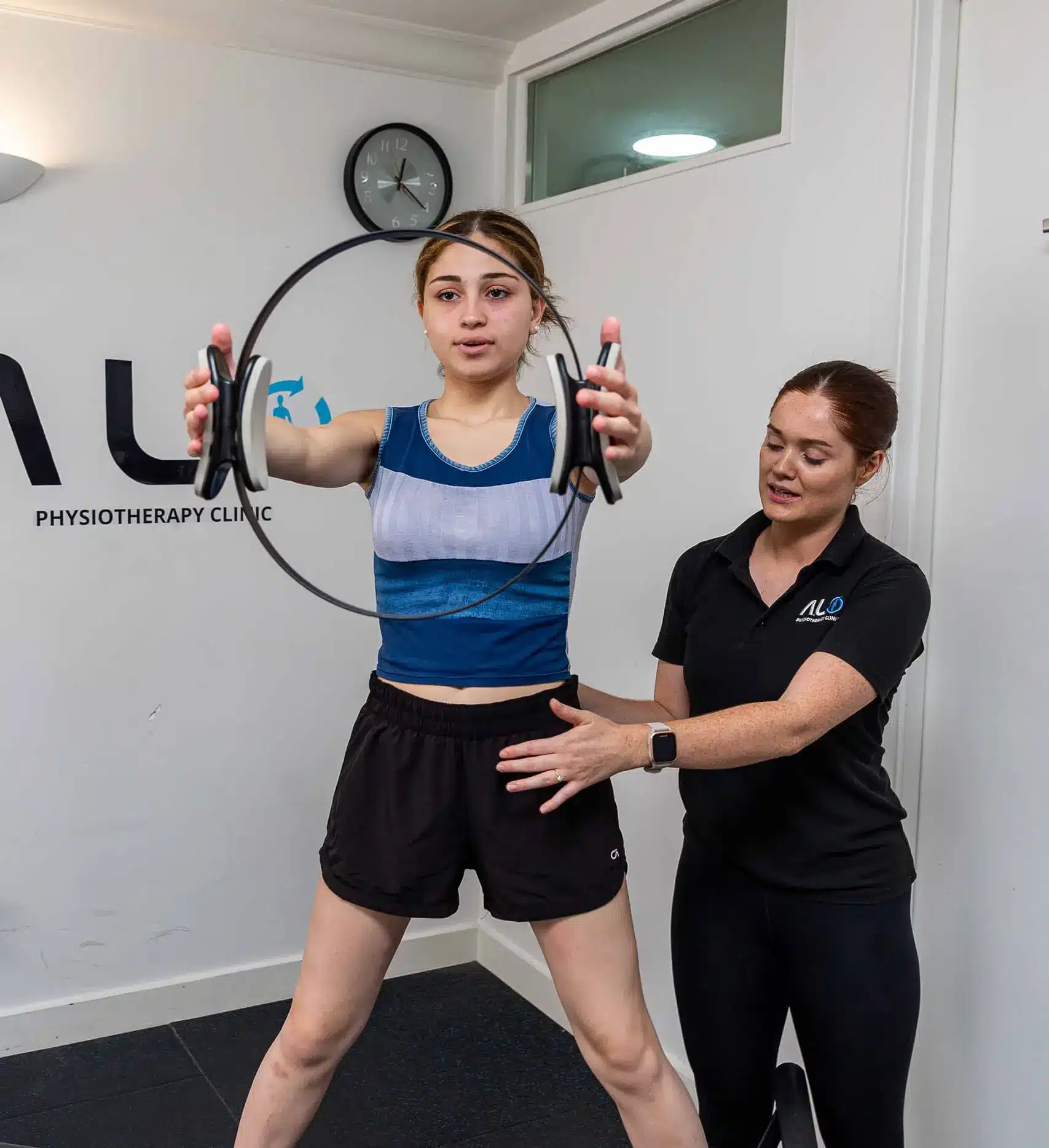
Every treatment plan is tailored to your diagnosis, goals, and lifestyle. We combine expert physiotherapy with advanced clinical technology to reduce pain, restore movement, and improve long-term function.
Expert Manual Therapy
for contracted or painful pelvic floor muscles, which may be pulling on tissues and worsening prolapses
TECAR Therapy
Advanced radiofrequency treatment that stimulates deep tissue healing and accelerates recovery
Learn More →Core & Breathing Retraining
Your pelvic floor works closely with your diaphragm, abdominal muscles, and deep core. We help you improve breathing mechanics and pressure management so your pelvic floor is better supported during everyday activities such as lifting, exercising, coughing, and returning to sport.
Lifestyle & Activity Advice
Small changes can make a significant difference. We'll provide practical advice on lifting techniques, bowel health, managing constipation, exercise modifications, weight training, and returning to running or higher-impact activities where appropriate.

We are here to help you
Whether your pain started gradually or suddenly, early treatment can make a huge difference. At ALO Physiotherapy, we combine expert diagnosis, hands-on treatment, and tailored rehabilitation plans to help you move comfortably again.
Pelvic Organ Prolapse Treatment Near Me
Our Harley Street clinic attracts patients from across London seeking specialist diagnosis, rehabilitation, and long-term recovery planning in a premium one-to-one setting.
Central London
01Marylebone · Fitzrovia · Soho · Mayfair · Covent Garden
City & East London
02Canary Wharf · Shoreditch · Clerkenwell · Barbican
West & North London
03Kensington · Hampstead · Paddington · Primrose Hill
Questions About Pelvic Organ Prolapse Treatment
Answers to the most common questions we hear from patients with Pelvic Organ Prolapse at ALO Physiotherapy.
Can physiotherapy help pelvic organ prolapse?
Yes. Physiotherapy is recommended as a first-line treatment for many women with mild to moderate pelvic organ prolapse. While physiotherapy cannot always reverse the structural position of the organs, it can significantly improve symptoms, strengthen the pelvic floor, improve quality of life, and help prevent the prolapse from worsening.
Will I need surgery for pelvic organ prolase?
Not necessarily. Many women successfully manage their symptoms with specialist pelvic health physiotherapy alone. If your prolapse is more advanced, physiotherapy can still play an important role before or after surgery to improve pelvic floor function and support your recovery.
Is an internal examination always required?
No. Your physiotherapist will explain whether an internal examination would be beneficial, but it is always your choice. The assessment is only carried out with your full consent, and you can decline or stop the examination at any point.
Can I exercise if I have a prolapse?
In most cases, yes. Staying active is important, but certain exercises may need to be modified depending on your symptoms. Your physiotherapist will help you continue exercising safely while reducing unnecessary strain on your pelvic floor.
Can pelvic organ prolapse get worse?
Without appropriate management, symptoms may become more noticeable over time, particularly during pregnancy, menopause, or activities that increase pressure on the pelvic floor. Early assessment and treatment can help manage symptoms and reduce the risk of progression.
Is pelvic organ prolapse common after childbirth?
Yes. Pregnancy and vaginal delivery place significant demands on the pelvic floor, making prolapse relatively common after childbirth. Many women notice symptoms during the months after giving birth, while others may not develop symptoms until years later.
Can menopause make prolapse worse?
Yes. As oestrogen levels decline during menopause, the tissues supporting the pelvic organs become less elastic and resilient. This can make prolapse symptoms more noticeable, but specialist physiotherapy can help improve pelvic floor function and symptom control.
Do I need a GP referral?
No. You can book directly with our specialist Women's Health Physiotherapists without a referral. If you've already seen a GP or consultant, we'll work alongside their recommendations as part of your treatment.
Can I lift weights with pelvic organ prolapse?
Without appropriate management, symptoms may become more noticeable over time, particularly during pregnancy, menopause, or activities that increase pressure on the pelvic floor. Early assessment and treatment can help manage symptoms and reduce the risk of progression.
How many physiotherapy sessions will I need?
The number of sessions varies depending on the severity of your prolapse, your symptoms, and your goals. After your assessment, your physiotherapist will discuss a personalised treatment plan and provide guidance on what you can expect throughout your rehabilitation.
Book An Appointment
If you have any questions or queries, or you would like to book a Complimentary Consultation or an appointment please don't hesitate to contact us.
BOOK NOW